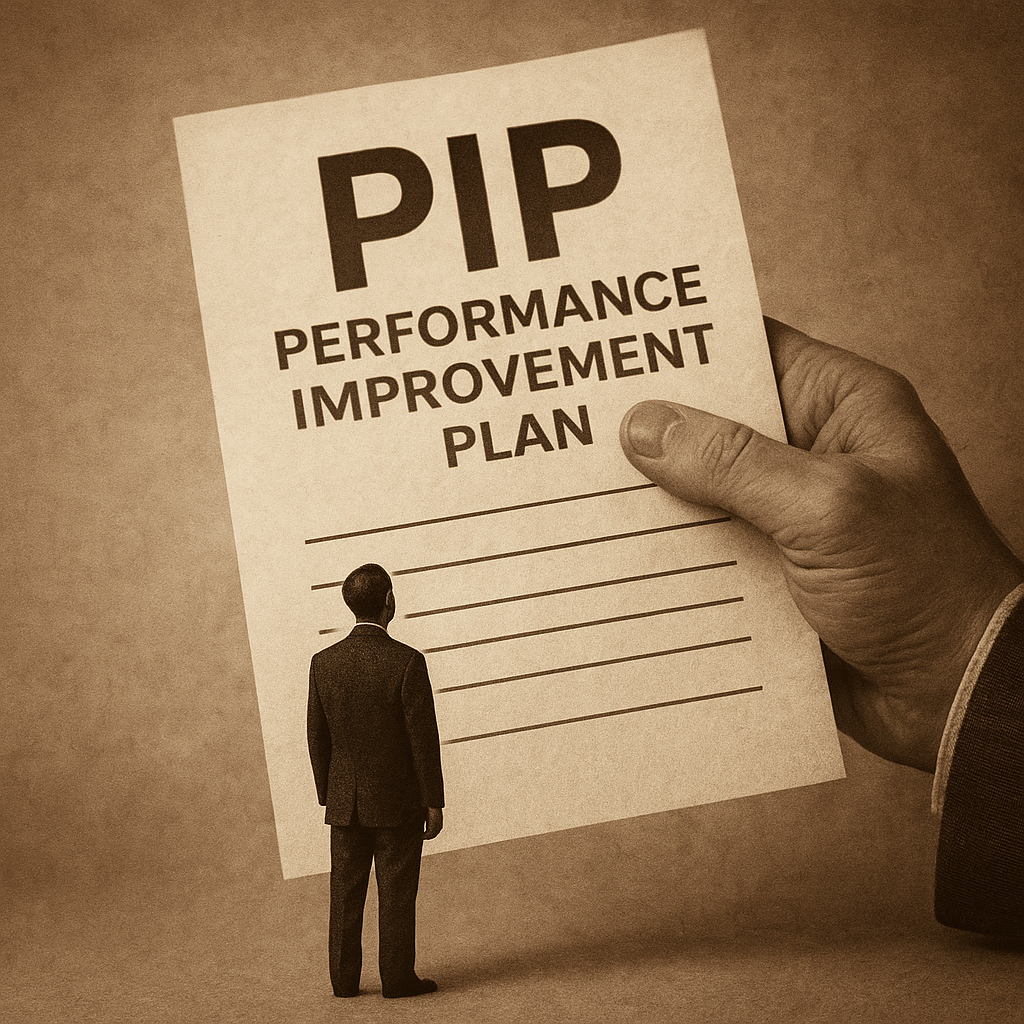

If you’ve encountered an employee who repeatedly causes friction over minor details, resists changes in workflow, reopens settled decisions, micromanages non-essential tasks, or turns routine collaboration into ongoing conflict, you have likely dealt with an anankastic personality.
Such individuals often first present as highly disciplined, principled, and orderly — the kind of employee managers initially trust with responsibility. Over time, however, it becomes clear that this is rarely the kind of orderliness that supports performance. Instead of enabling efficiency and coordination, it slows execution, blocks adaptability, and strains team dynamics.
This article explores how anankastic personalities show up in the workplace, why their behavior undermines both individual and team performance, and what leaders need to understand to address these patterns effectively.
Anankastic personalities often look like high performers on paper. They are detail-oriented, conscientious, principled, and deeply invested in doing things “the right way.” Early on, they may even be perceived as the most reliable people on the team.
Problems emerge not because of low standards — but because of rigidity.
How this shows up in the workplace
In day-to-day work, anankastic traits typically manifest as:
- Fixation on rules, procedures, and “correct” processes even when conditions change
- Difficulty prioritizing: everything feels equally important and equally urgent
- Over-analysis and endless clarification instead of decision-making
- Repeated revisiting of resolved issues
- Resistance to improvisation, iteration, or “good enough” solutions
- Low tolerance for ambiguity, incomplete information, or fast pivots
Meetings with such individuals often drag on. Tasks stall while details are refined. Decisions are delayed until certainty — which never fully arrives.
How this compromises their own performance
What undermines anankastic performance is not lack of intelligence or effort, but how anxiety is managed.
Control becomes the primary coping mechanism. As a result:
- Execution slows dramatically
- Output becomes inconsistent despite high effort
- Energy is spent on preventing mistakes rather than producing results
- Deadlines are missed not due to laziness, but due to over-control
- Adaptation to feedback is slow because it threatens internal order
Ironically, the desire to avoid errors often produces the very outcome they fear: reduced effectiveness.
Impact on team performance
In a team context, the effects multiply.
Anankastic team members may unintentionally:
- Create bottlenecks by refusing to move forward without full clarity
- Drain meeting time with circular discussions
- Undermine collaboration by correcting rather than integrating others’ input
- Increase stress levels by transmitting urgency and tension
- Block experimentation and learning cycles
Teams begin to adapt around them — either slowing down to match their pace or bypassing them altogether, which leads to resentment and fragmentation.
The core issue
The core issue is not perfectionism.
It is rigid control used to regulate internal anxiety.
When control becomes more important than outcomes, alignment, or progress, performance suffers — both individually and systemically.
Why this matters for leaders
Left unaddressed, anankastic dynamics quietly erode:
- decision velocity
- psychological safety
- team trust
- adaptability under pressure
These issues rarely show up in performance reviews early. They surface later as “unexplained” inefficiencies, burnout, or chronic friction.
Understanding this pattern is not about labeling people.
It is about recognizing when structure stops supporting performance and starts replacing it.
That is the point where leadership intervention becomes necessary — not tactical fixes, but structural and behavioral recalibration.
Understanding personality type often helps in more precise troubleshooting of performance failure and aids in implementing proper solutions. To find our more about this service following the link: https://vygotskyinst.org/en/executive-functions-coaching/